
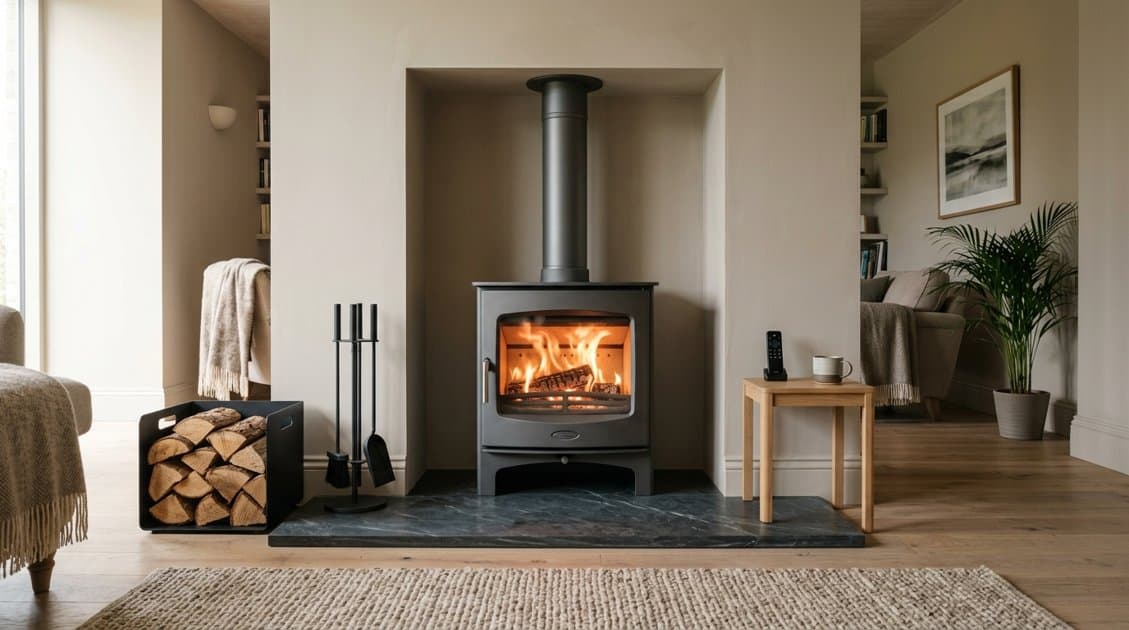
In the heart of many homes across Newcastle, Sunderland, Durham, and indeed, right here in South Shields, a multi-fuel or wood-burning stove isn't just a source of heat – it's a statement of control, comfort, and a significant step towards energy independence. But truly mastering your stove's potential goes beyond simply lighting a fire. It's about cultivating a series of daily rituals that ensure optimal performance, maximum warmth, and long-term savings.
At Northern Flame, we understand the profound satisfaction of a perfectly managed fire. As your local, family-run experts in Tyne & Wear, we're dedicated to helping you unlock the full benefits of your investment. This guide will walk you through the practical, consistent habits that will transform your stove from a simple heating appliance into a powerhouse of efficiency and warmth.
Understanding Your Appliance: The Foundation of Control
Before we delve into daily rituals, it's crucial to acknowledge the quality of your stove's installation. A properly installed multi-fuel burner, fitted by HETAS certified engineers – like our skilled team at Northern Flame – forms the bedrock of efficient operation. Our 1-day expert installation for 99% of fits ensures your stove is set up for success from day one, allowing you to focus on the daily optimisation.
Morning Warm-Up: Igniting Efficiency
Pre-Heating the Flue
The first ritual of the day sets the tone. A cold flue can cause smoke to back up into your room. To avoid this:
- Crumpled Newspaper Trick: Before loading your kindling, tightly twist a few sheets of newspaper, light them, and hold them briefly near the flue opening. This creates an initial updraught, warming the flue and encouraging smoke to rise properly.
The Art of Kindling and Loading
A well-built fire structure is paramount for a quick, clean, and efficient ignition.
- Dry Kindling is Key: Always use dry, small pieces of wood. Avoid processed firelighters with excessive chemicals.
- The 'Top-Down' Method: Place larger logs at the bottom, then progressively smaller pieces, topped with kindling and a natural firelighter. This method allows the fire to burn downwards, reducing smoke and making for a more efficient start.
Mastering Air Control
Air (or 'draught') is the fuel for your fire. Understanding your stove's primary and secondary air vents is vital.
- Start with Air Fully Open: For ignition, open all air vents completely to provide maximum oxygen, allowing the fire to establish quickly.
- Adjust as it Establishes: Once the fire is burning brightly and logs are fully alight, gradually reduce the primary air to control the burn rate and increase efficiency. The secondary air wash helps keep the glass clean and ensures a cleaner burn.
Midday Management: Sustaining the Glow
Refuelling Smartly
Don't just throw logs onto a dying ember. Timing and technique matter for sustained warmth.
- Wait for a Good Coal Bed: Refuel when you have a decent bed of glowing embers. This ignites new logs quickly and cleanly.
- Load in Moderation: Overloading can smother the fire and reduce efficiency. Add 1-3 logs depending on your stove's size, placing them to allow air circulation.
- Use Dry, Seasoned Wood: This cannot be stressed enough. Wet or unseasoned wood wastes energy producing steam, causes creosote build-up, and produces less heat.
Monitoring the Burn
Your stove will 'talk' to you through its flames and the clarity of its glass.
- Bright, Lively Flames: Indicate an efficient burn. Too much air will result in roaring flames and wasted heat up the flue. Too little air creates sluggish, smoky flames and incomplete combustion.
- Clean Glass: A sign of a good secondary air wash and proper burn. If your glass is constantly blackening, review your fuel, air settings, and loading technique.
Pro Tip: Stove Thermometer
Consider investing in a stove pipe thermometer. This simple tool helps you maintain the optimal temperature range, preventing overheating (which damages the stove) and under-burning (which creates creosote). It's a small investment for significant control and longevity.
Ash Management
Regular ash removal is essential, but don't overdo it!
- Leave a Small Ash Bed: A thin layer of ash (around 1 inch for multi-fuel, slightly more for wood-only) insulates the firebox floor, protecting it and helping maintain a hot coal bed.
- Remove Excess: When the ash bed gets too deep, it can restrict airflow and reduce efficiency. Use a shovel to scoop excess ash into your ash pan, typically once a day or every other day depending on usage.
Evening Wind-Down: Preparing for Tomorrow
Controlled Burn-Down
As the day draws to a close, manage your stove to extract the last bits of warmth and prepare for the next ignition.
- No Late Loading: Avoid adding new logs too close to bedtime if you want the fire to die down naturally. This allows all fuel to combust completely.
- Close Air Vents (Almost): Once only embers remain, significantly reduce both primary and secondary air. This slows the burn to a crawl, allowing you to wake up to warm embers ready for a quick restart, further enhancing your energy independence.
Post-Burn Assessment
A quick check before bed can highlight areas for improvement.
- Check Glass: Is it clean? If not, adjust your next day's burn or plan for a quick wipe.
- Ash Level: Is it ready for a scoop in the morning?
Beyond Daily: Weekly & Monthly Check-Ins
While daily rituals are key, some tasks require a less frequent rhythm to ensure safety and peak performance.
- Chimney Sweeping (Annually/Bi-Annually): Essential for safety and efficiency. This prevents creosote build-up which can cause chimney fires.
- Stove Glass Cleaning: While daily management helps, a dedicated clean with specialist stove glass cleaner will keep it pristine.
- Inspecting Seals and Baffles: Periodically check door seals, rope seals, and the baffle plate for wear and tear. Damaged seals can lead to uncontrolled airflow and inefficiency. Our expert team at Northern Flame can assist with servicing and spare parts.
The Northern Flame Difference: Your Partner in Warmth
Embracing these daily rituals will undoubtedly enhance your home's comfort and energy independence. But for foundational peace of mind, choosing the right partner for your stove installation and maintenance is crucial.
At Northern Flame, we pride ourselves on being that partner. From our free technical surveys that ensure the perfect fit, to our HETAS & Gas Safe certified engineers providing expert installation (often in just one day!), we're committed to quality and customer satisfaction. We cover Newcastle, Sunderland, Durham, and all surrounding areas, bringing local expertise directly to your door.
Visit our South Shields showroom to experience the warmth and efficiency of our stoves firsthand, and let us help you take the next step towards mastering your home's energy future.
Start Your Project with Northern Flame
Visit our South Shields showroom to see our fires in action, or book a free technical survey with our expert team.
Get in Touch Today