
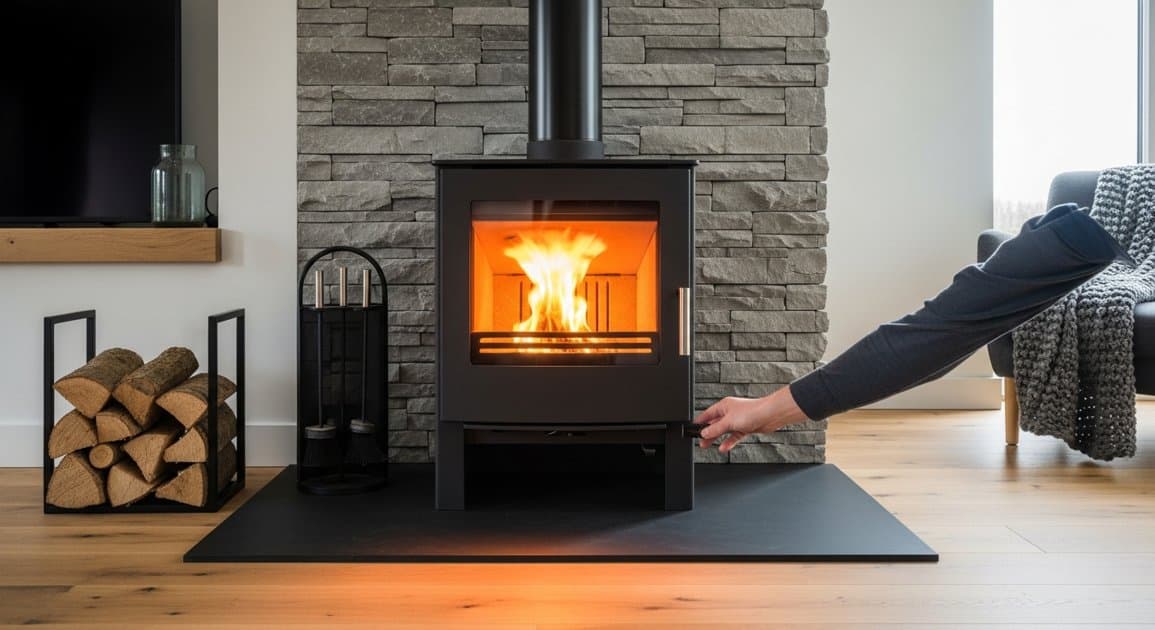
Decoding Your Stove's Subtle Signals: A Homeowner's Guide to Proactive Warmth & Uninterrupted Energy Independence
There’s nothing quite like the comforting glow and radiant warmth of a well-performing stove. For homeowners across Newcastle, Sunderland, Durham, and all surrounding North East areas, a stove isn't just a heat source; it's a statement of energy independence and sustainable living. But like any vital appliance, your multi-fuel or wood-burning stove communicates. Learning to understand its subtle whispers can ensure continuous efficiency, long-term savings, and uninterrupted carbon-neutral warmth.
At Northern Flame, your local, family-run stove experts in South Shields, we believe in empowering our community. While annual servicing by our HETAS & Gas Safe certified engineers is crucial, knowing how to spot early signs of reduced performance means you can often address minor issues before they become major concerns, keeping your home cosy and your fuel bills predictable.
The Language of Flames: What Your Fire Is Telling You
The flame itself is perhaps the most eloquent indicator of your stove's health. Observe it closely:
Sluggish, Lazy Flames
- **The Signal:** Your fire struggles to get going or burns with a weak, listless flame that seems to hover rather than dance vigorously.
- **What It Means:** This often points to insufficient air supply, either due to improperly opened air vents, blocked air intakes, or, more seriously, a restricted flue. Incomplete combustion means less heat, more emissions, and wasted fuel.
Excessive Smoke or Soot
- **The Signal:** Beyond the initial start-up, you notice excessive smoke pouring from the flue outlet, or rapid build-up of soot on the inside of your stove glass, even with an airwash system.
- **What It Means:** Again, this suggests incomplete combustion. Wet fuel, an overpacked firebox, or a partially blocked flue can all contribute. A clear, hot fire burns most of its particulates, producing very little visible smoke.
Difficulty Lighting or Sustaining a Fire
- **The Signal:** You find yourself continually struggling to get a fire established or needing to add fuel much more frequently than usual to maintain warmth.
- **What It Means:** This could be a combination of issues: poor fuel quality, a lack of adequate draft (again, check your flue), or worn door seals allowing too much uncontrolled air into the firebox, making it hard to regulate.
Decoding Heat Output & Efficiency Hints
Your stove’s primary job is to generate heat. If it’s not doing that effectively, pay attention:
Reduced Heat Output for the Same Fuel
- **The Signal:** You're burning the same amount of seasoned wood or approved multi-fuel as before, but your room isn't reaching its usual comfortable temperature.
- **What It Means:** Your stove's efficiency is compromised. This could be due to worn firebricks, degraded door seals, or an accumulation of soot within the flue or on the baffle plate, hindering heat transfer.
Cold Spots Around the Stove or Door
- **The Signal:** When the stove is running, you can feel cold air being drawn in around the door, through air vents, or from other unexpected spots.
- **What It Means:** This is a strong indicator of failing door seals (ropes or gaskets). These seals are crucial for controlling the combustion air. Leaks allow uncontrolled air in, reducing efficiency and potentially drawing cold air into the room.
Pro Tip: Embrace Energy Independence
Understanding your stove's signals isn't just about maintenance; it's about gaining greater control over your home's energy. A well-maintained stove maximises the heat from every piece of fuel, reducing your reliance on fluctuating utility prices and offering significant long-term savings. Early detection means continuous, efficient warmth and true energy independence.
Visual & Physical Cues: Your Stove's Wear & Tear
Sometimes, the signs are right there in front of you:
Cracked Firebricks or Baffle Plate
- **The Signal:** Upon inspection, you notice cracks or breaks in the firebricks lining the firebox, or in the baffle plate (the plate at the top of the firebox).
- **What It Means:** While minor cracks in firebricks are normal over time, significant damage reduces insulation, directing heat away from the room and potentially damaging the stove body. A damaged baffle plate can impair the stove's efficiency and affect the flue's draw.
Loose or Worn Door Seals (Gaskets)
- **The Signal:** The rope seal around your stove door feels brittle, flattened, or has pieces missing. The door no longer feels snug when closed.
- **What It Means:** Worn seals are a primary cause of inefficiency, allowing too much uncontrolled air into the firebox. This leads to rapid fuel consumption, less heat, and often excessive soot on the glass.
Unusual Noises
- **The Signal:** You hear rattling, creaking, or other unfamiliar sounds coming from your stove during operation.
- **What It Means:** This could indicate loose components, a shifting baffle plate, or even a build-up of debris in the flue. Don't ignore persistent or unusual sounds.
Flue & Chimney Indicators: Crucial for Safety & Performance
Your flue system is the engine of your stove's performance and safety.
Smell of Smoke in the Room (When Not Refuelling)
- **The Signal:** You detect the odour of smoke in your room when the stove door is closed and you're not actively loading fuel.
- **What It Means:** This is a serious indicator of a potential flue issue, such as a blockage, a crack in the flue liner, or a downdraft problem. This can pose a carbon monoxide risk and should be investigated immediately.
Reduced Draw or Difficult Starts
- **The Signal:** The stove struggles to "draw" air up the flue, leading to smoke spilling into the room when the door is opened, or difficulty getting the fire started.
- **What It Means:** A blocked or partially blocked flue is the most common culprit. Regular sweeping is essential.
When to Call the Experts at Northern Flame
While this guide empowers you to spot signs, certain issues require professional attention. If you notice any of the more serious signals – persistent smoke in the room, structural damage to the stove, or an unexplained drop in performance – it's time to call in the professionals. Our HETAS & Gas Safe certified engineers are equipped with the expertise to diagnose and resolve any issues, ensuring your stove operates safely and efficiently.
We pride ourselves on 1-day expert installation for 99% of our fits, demonstrating our commitment to efficient, high-quality service right across the North East. We offer free technical surveys to assess your needs and provide tailored solutions.
By staying attentive to your stove's subtle signals and coupling that awareness with professional annual servicing, you're investing in reliable, efficient, and carbon-neutral warmth, maintaining your home's comfort and your energy independence for years to come.
Start Your Project with Northern Flame
Visit our South Shields showroom to see our fires in action, or book a free technical survey with our expert team.
Get in Touch Today