
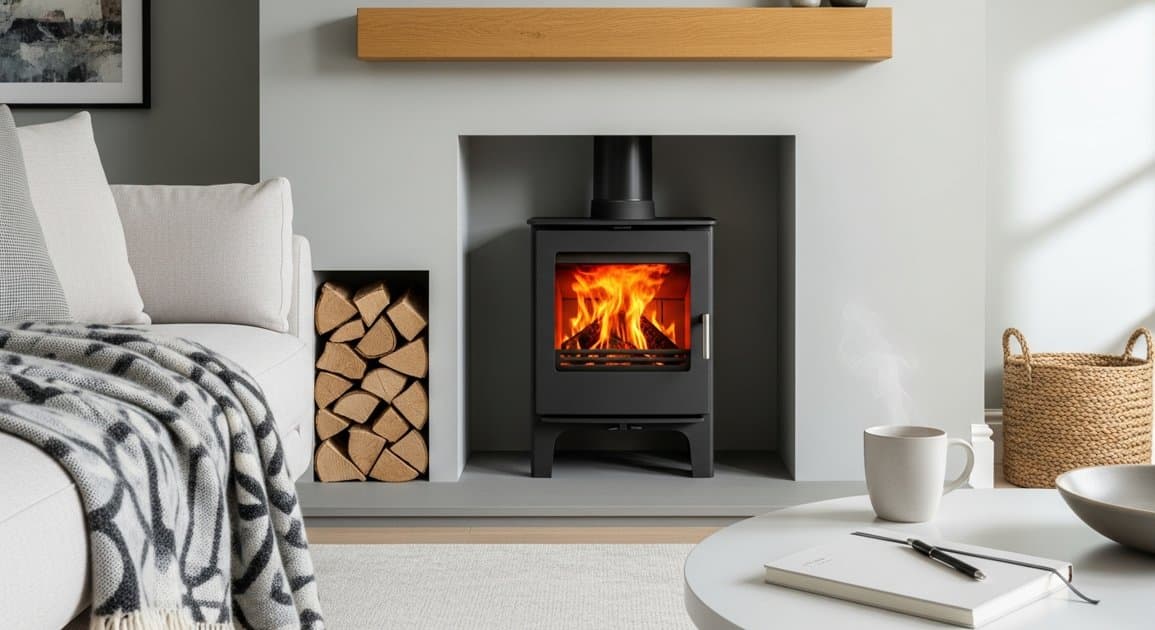
Decoding Your Warmth: Understanding Fuel Performance & Cost for Ultimate Stove Efficiency
There's nothing quite like the comforting glow and radiant warmth of a crackling fire on a chilly evening. For many homeowners across Newcastle, Sunderland, Durham, and our home turf in South Shields, a multi-fuel or wood-burning stove isn't just a design statement – it's a vital source of heat, offering a sense of control and independence over rising energy costs.
But to truly unlock your stove's potential, maximising its efficiency and ensuring your heating budget goes further, it's crucial to understand the very heart of its operation: the fuel you choose. Not all fuels are created equal, and decoding their performance and cost can transform your heating experience.
At Northern Flame, your local family-run stove experts, we believe in empowering you with knowledge. Let's delve into the science and economics of different fuel types, guiding you towards the optimal choices for ultimate stove efficiency and long-term savings.
The Science of Warmth: Key Fuel Performance Metrics
Before we explore specific fuel types, it's helpful to understand the metrics that define a fuel's performance. These aren't just technical terms; they directly impact how much heat you get, how long it lasts, and how often you need to tend your fire.
Heat Output (BTUs / kWh)
This is the fundamental measure of how much thermal energy a fuel releases when burned. Measured in British Thermal Units (BTUs) or kilowatt-hours (kWh), a higher number generally means more heat for your home. However, it's also about how efficiently your stove extracts that heat from the fuel.
Burn Time
How long a fuel lasts in your stove is critical for convenience and continuous warmth. Longer burn times mean less frequent reloading, making your stove more practical for overnight heating or busy days.
Ash Content & Cleanliness
Lower ash content means less frequent clearing out and a cleaner burn overall. A fuel that burns cleanly also minimises soot and creosote build-up in your flue, contributing to safer operation and reduced maintenance.
Moisture Content (for Wood)
This is perhaps the most critical factor for wood. High moisture content significantly reduces heat output, wastes energy boiling off water, and increases harmful emissions and creosote formation. Look for wood with less than 20% moisture – often labelled as "kiln-dried" or "seasoned for at least two years".
Environmental Impact
For many, the environmental footprint of their heating choices is important. We'll touch on the sustainability aspects of different fuels.
Decoding Fuel Types: Pros, Cons & Best Uses
Understanding these metrics, let's look at the most common fuel types for multi-fuel and wood-burning stoves.
Seasoned Wood
The classic choice for many, wood offers a renewable source of heat and a beautiful flame picture.
- Hardwood (e.g., oak, ash, beech): Denser, providing a longer, slower burn and higher heat output. Ideal for sustained warmth.
- Softwood (e.g., pine, spruce): Burns quicker and hotter initially, great for kindling or quickly getting a stove up to temperature, but doesn't last as long.
- Pros: Renewable, carbon-neutral (when sustainably sourced), pleasant aroma, beautiful flame.
- Cons: Requires significant storage space and drying time if you source it unseasoned. High moisture content wood is inefficient and damaging.
- Best Use: Hardwood for steady, long-lasting heat; softwood for starting the fire quickly. Always ensure it's 'Ready to Burn' certified or properly seasoned (under 20% moisture).
Manufactured Wood Briquettes
Often overlooked, wood briquettes are highly compressed blocks of sawdust and wood shavings.
- Pros: Extremely low moisture content (typically 5-10%), very high and consistent heat output, long burn times, minimal ash, easy to store (stack neatly), environmentally friendly (made from wood waste).
- Cons: Can appear more expensive per kilogram than seasoned logs, but often provide more heat per penny.
- Best Use: Excellent for sustained heat, especially overnight, and for those who want maximum efficiency and minimal fuss. Many find them superior to logs for consistent performance.
Smokeless Coal (for Multi-Fuel Stoves)
Designed for multi-fuel stoves, smokeless coal is a processed fuel that produces very little smoke and typically burns hotter and longer than wood.
- Pros: Very high heat output, extremely long burn times (ideal for overnight), consistent heat, permissible in Smoke Control Areas (like many parts of Tyne & Wear).
- Cons: Non-renewable fossil fuel, higher ash content than wood, can be more expensive, doesn't offer the same visual flame appeal as wood.
- Best Use: For multi-fuel stoves where maximum, long-lasting heat is the priority, especially in smoke control zones. Ideal for maintaining a consistent temperature.
Pro Tip: Invest in a Wood Moisture Meter!
If you burn wood, a simple moisture meter is an invaluable tool. It allows you to check the moisture content of your logs, ensuring they are truly 'Ready to Burn' (under 20%). Burning wet wood is a false economy, damaging to your stove and flue, and harmful to air quality. You'll be amazed at the difference it makes to your heat output and overall efficiency!
The Economics of Warmth: Cost vs. Efficiency
When considering fuel, the initial purchase price can be misleading. A cheaper bag of logs might seem like a bargain, but if they're wet, you'll get significantly less heat, more smoke, and spend more in the long run. The true measure is the cost per kilowatt-hour (kWh) of usable heat.
- Cheaper doesn't mean better: High-quality, low-moisture fuel might cost more upfront, but its superior heat output and efficiency mean you burn less of it to achieve the same warmth, ultimately saving you money.
- Maximise your stove's potential: An efficient stove, properly installed and fed with the right fuel, provides control over your heating. You're generating your own warmth, independent of fluctuating gas or electricity prices, and seeing real long-term savings.
- Reduce maintenance: Cleaner burning fuels reduce the build-up of tar and creosote, which means less frequent flue sweeping and reduced wear and tear on your stove – saving you money on maintenance and extending your appliance's lifespan.
Maximising Your Stove's Efficiency with Northern Flame
Choosing the right fuel is just one part of the equation. To truly achieve ultimate stove efficiency and enjoy the full benefits of your investment, it starts with professional expertise.
Proper Installation is Paramount
Even the best fuel won't perform optimally in a poorly installed stove. Our HETAS and Gas Safe Certified engineers ensure your stove is fitted perfectly, with a correctly sized and installed flue system. This guarantees maximum heat output, safe operation, and adherence to all regulations. With 99% of our fits completed in just one day, you'll be enjoying your new warmth in no time!
Regular Maintenance is Key
Just like a car, your stove needs regular servicing. A clean flue and well-maintained appliance ensure efficient combustion and safety. We can offer advice on local chimney sweeps and best practices for stove care.
Choosing the Right Stove for Your Home
Perhaps you're considering an upgrade, or installing a new feature like a stunning media wall with an integrated fire? Selecting the correct size and type of stove (wood-burning vs. multi-fuel) for your room and heating needs is crucial. This is where our expertise shines. We offer free technical surveys across Newcastle, Sunderland, Durham, and all surrounding areas.
During your free survey, our team will assess your home, discuss your heating requirements, and recommend the perfect stove to match your lifestyle and budget – ensuring you gain true control over your warmth and achieve those vital long-term savings.
Start Your Project with Northern Flame
Visit our South Shields showroom to see our fires in action, or book a free technical survey with our expert team.
Get in Touch Today