
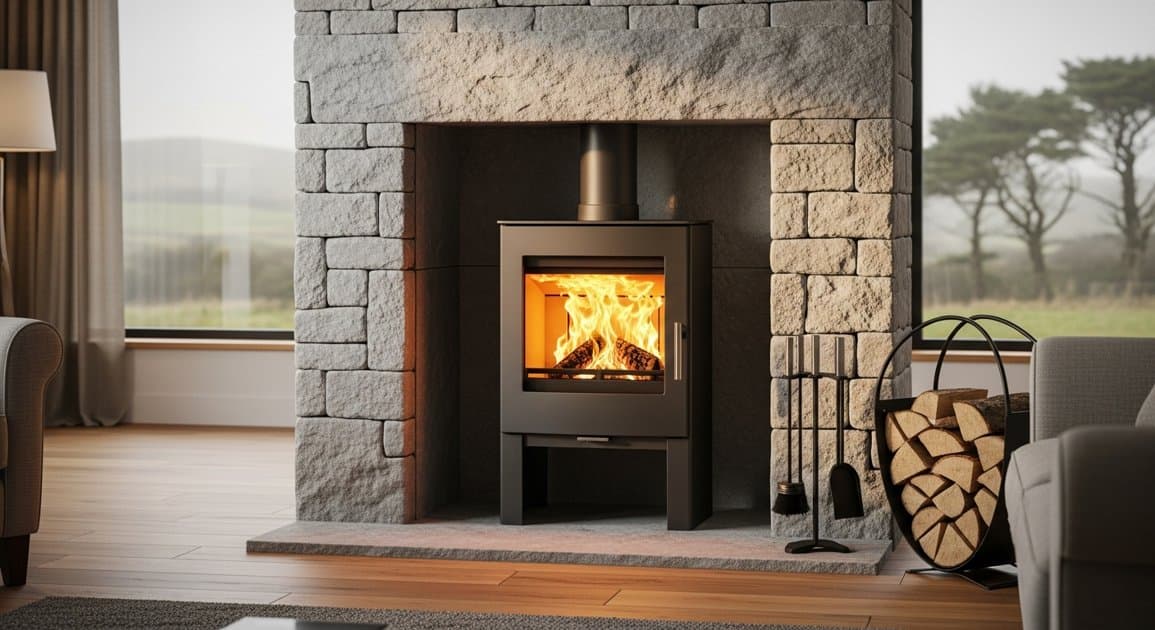
Mastering the Art of Ignition: Your Step-by-Step Guide to a Long-Lasting, Carbon Neutral Flame & True Energy Independence
In a world of fluctuating energy costs, the warmth of a flickering flame in your own home offers more than just comfort – it provides a profound sense of control, independence, and long-term savings. At Northern Flame, we believe every homeowner deserves to experience the full potential of their modern multi-fuel stove: a beautiful, efficient, and sustained heat source that is truly carbon neutral from the very first spark.
This isn't just about lighting a fire; it's about mastering an art. By following our precise, hands-on guide, you'll learn how to build and light a fire that not only produces maximum warmth with minimal fuel but also burns cleanly, reducing emissions and keeping your flue healthier for longer. Let's ignite your journey to energy independence together.
Understanding the Heart of Your Home: Your Modern Stove
Modern stoves, unlike open fires, are engineered for efficiency. They feature advanced combustion systems, often with primary and secondary air controls, which allow for a cleaner, more complete burn. This design is key to achieving a "carbon neutral flame" when using sustainably sourced wood, as the carbon released is balanced by the carbon absorbed by new trees.
The Foundation for Success: Quality Fuel
Before you even think about lighting a match, the quality of your fuel is paramount. Always use dry, seasoned wood with a moisture content of 20% or less. Wet wood wastes energy boiling off water, produces less heat, and creates more smoke and tar, leading to inefficient burns and potential flue problems.
- Hardwoods (Oak, Ash, Beech): Burn hotter and longer.
- Softwoods (Pine, Spruce): Burn quicker, great for kindling or getting the fire going.
- Never Burn: Treated wood, household rubbish, plastics, or painted wood – these release toxic fumes.
Your Pre-Ignition Checklist
A successful fire starts with preparation. Before reaching for your kindling, take these quick steps:
- Clear the Ash Pan (Mostly): A thin bed of ash (about 1-2 cm) at the bottom of the stove can help insulate the base and promote a better burn, but excessive ash will restrict airflow.
- Open Air Vents Fully: Ensure both primary (underneath the grate, for initial combustion) and secondary (above the door, for clean burning) air vents are wide open to maximise oxygen flow during ignition.
- Check Flue Damper (If Applicable): If your stove has a flue damper, make sure it's fully open to establish a strong draw and clear any cold air from the chimney.
Step-by-Step: The Top-Down Ignition Method (The Northern Flame Way)
This method is highly recommended for its efficiency, cleaner burn, and ease of use, promoting a long-lasting fire from the get-go. Instead of building upwards, we build downwards.
- Step 1: Lay the Foundation (Large Logs)
Place two to three seasoned, medium-sized logs directly onto your thin ash bed or the stove grate. Lay them parallel to each other, allowing for some gaps for airflow. - Step 2: Build the Kindling Tower
On top of your foundation logs, create a criss-cross stack of increasingly smaller pieces of kindling. Start with thicker pieces, then add progressively thinner ones on top. This creates an ideal structure for air to circulate and for the flame to descend. - Step 3: Position Your Firelighters
Place one or two natural firelighters (waxed wood wool is excellent) strategically within the very top layer of your kindling, ensuring they are nestled securely. - Step 4: Ignite with Care
Light the firelighters. The flames will ignite the fine kindling, gradually spreading downwards to the larger kindling, and eventually to the main logs below. - Step 5: Control the Initial Burn
Leave the stove door slightly ajar for the first few minutes (check your stove's manual – some modern stoves require the door to be shut with vents open). This provides maximum oxygen for the initial intense burn. Stay close to monitor it. - Step 6: Close the Door & Observe
Once the kindling is fully ablaze and the larger logs have started to catch (typically after 5-15 minutes), gently close the stove door. - Step 7: Adjust for a Sustained Burn
After approximately 15-20 minutes, when the fire is well-established and roaring, begin to gradually reduce your primary air supply (often by sliding a lever or opening/closing a vent). Maintain the secondary air supply to encourage a clean, efficient burn, characterised by tall, active flames.
Pro Tip: Understanding Secondary Air
Your stove's secondary air wash system isn't just for keeping the glass clean; it’s crucial for achieving a carbon neutral burn. This pre-heated air is introduced at the top of the firebox, igniting unburnt gases and particles that would otherwise escape as smoke. The result? More heat, less pollution, and those mesmerising, dancing flames that indicate peak efficiency. Always ensure your secondary air vent is open to some degree during the main burn.
Sustaining the Warmth: Refuelling for Efficiency
To keep your stove burning efficiently and maintain warmth, knowing when and how to refuel is key:
- When to Refuel: Wait until the flames have died down, leaving a glowing bed of embers, but before the fire completely dies out.
- How to Refuel: Rake the embers to the front of the stove. Add one or two new, seasoned logs onto the glowing embers.
- Adjust Air: Briefly open your primary air control for 5-10 minutes to help the new logs catch, then return to your optimal primary/secondary air settings. This ensures continuous, efficient combustion.
The Carbon Neutral Promise: How Wood Heating Contributes to a Greener Future
When sourced sustainably, burning wood in a modern, efficient stove is considered carbon neutral. As trees grow, they absorb carbon dioxide from the atmosphere. When burnt, they release roughly the same amount of CO2. By ensuring new trees are planted to replace those harvested (something Northern Flame champions through responsible sourcing advice), the cycle remains balanced, making wood a truly renewable and independent energy source for your home.
Beyond the Burn: Maintaining Your Northern Flame Stove
A well-maintained stove is an efficient stove. Regular cleaning and professional servicing are vital. We recommend having your flue swept annually by a certified professional. Our HETAS certified engineers are not just experts in installation; they can also advise on best practices for stove care, ensuring your Northern Flame product delivers warmth and efficiency for years to come.
Ready to Embrace True Energy Independence?
Mastering ignition is just one step on your journey to energy independence and a cosy, efficient home. If you're considering a new multi-fuel stove or upgrading your existing setup, Northern Flame is your trusted local partner.
Based right here in South Shields, Tyne & Wear, our family-run business prides itself on delivering exceptional service across Newcastle, Sunderland, Durham, and all surrounding areas. Our HETAS & Gas Safe Certified engineers ensure 99% of our expert installations are completed within a single day, minimising disruption and maximising your comfort. We start every project with a free technical survey, ensuring the perfect solution for your home.
Start Your Project with Northern Flame
Visit our South Shields showroom to see our fires in action, or book a free technical survey with our expert team.
Get in Touch Today