
Sealing Your Warmth: A Homeowner's Guide to Gasket & Firebrick Maintenance for Peak Stove Efficiency & Carbon Neutral Comfort
There's nothing quite like the comforting glow and radiant warmth of a wood-burning or multi-fuel stove on a chilly North East evening. It's more than just a heating appliance; it's a focal point, a source of comfort, and increasingly, a symbol of energy independence and control over your home's heating costs. As energy prices continue to fluctuate, ensuring your stove operates at its absolute peak efficiency isn't just a matter of comfort – it's a smart investment.
At Northern Flame, your local, family-run stove experts in South Shields, we believe in empowering homeowners like you with the knowledge to maintain your appliance. Today, we're focusing on two unsung heroes of stove efficiency: your door gaskets and internal firebricks. Understanding and maintaining these crucial components can significantly impact your stove's performance, safety, and your journey towards a more carbon-neutral comfort.
Understanding Your Stove's Vital Components
The Unsung Heroes: Door Gaskets
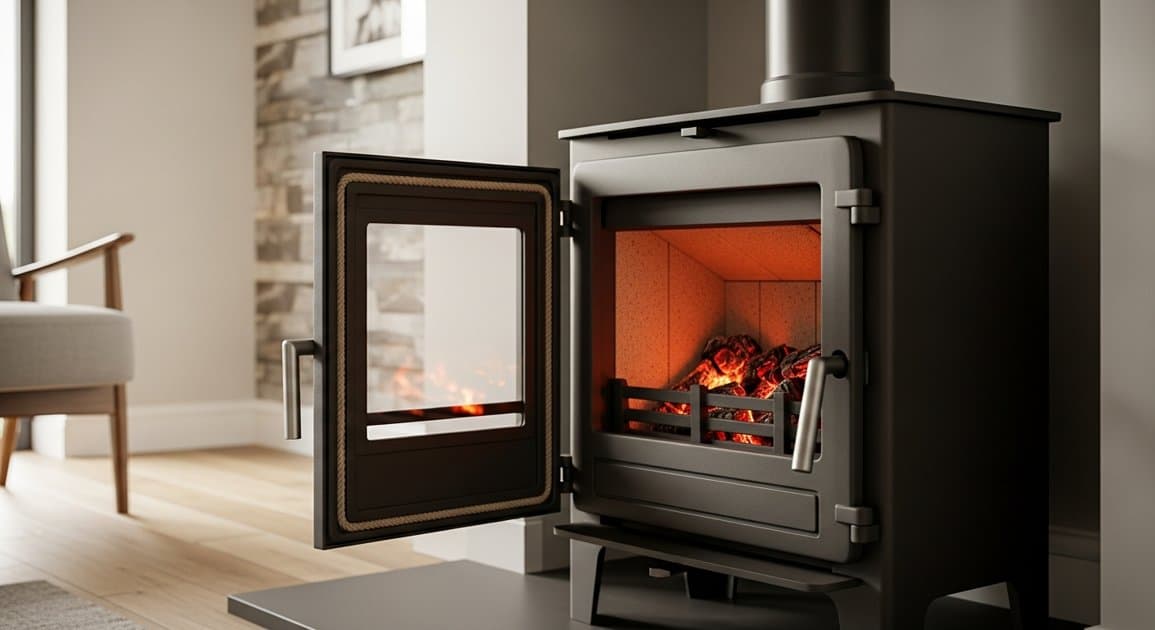
Often overlooked, the rope-like seals around your stove's door and sometimes the ash pan are called gaskets. These might seem like minor details, but they play a monumental role in your stove's operation.
- What They Are: Typically woven ceramic fibre ropes, designed to be compressible and heat-resistant.
- Their Function: Gaskets create an airtight seal between the stove door and the body. This seal is absolutely critical for controlling the airflow into the combustion chamber. By precisely managing oxygen intake, your stove can achieve an optimal, clean burn.
- Impact of Worn Gaskets: Over time, heat and repeated use cause gaskets to harden, flatten, or fray. A compromised gasket allows uncontrolled excess air to be drawn into the stove. This leads to:
- An uncontrolled, overly rapid burn, consuming fuel far too quickly.
- Reduced heat output for the amount of fuel used, meaning less warmth for your home.
- Increased fuel consumption, hitting your wallet harder.
- Potential for smoke leakage into your room, posing a safety risk.
- A 'lazy' flame that struggles to get hot, leading to more creosote build-up in your flue.
The Heart of the Fire: Firebricks
Look inside your stove, and you'll see a lining of thick, often off-white or grey panels. These are your stove's firebricks (sometimes called refractory panels), and they are essential for both performance and longevity.
- What They Are: Made from high-density refractory material designed to withstand extreme temperatures.
- Their Function: Firebricks primarily serve three critical purposes:
- Insulation: They insulate the steel or cast-iron body of the stove, preventing excessive heat loss through the stove's exterior. This keeps more heat in the combustion chamber.
- Heat Retention: By retaining heat within the firebox, they help maintain a higher, more consistent temperature necessary for complete and efficient combustion.
- Protection: They protect the stove's metal body from direct flame impingement and the corrosive effects of intense heat, significantly extending the life of your appliance.
- Impact of Damaged Firebricks: Cracks, crumbling, or missing firebricks can lead to:
- Significant heat loss through the stove body, reducing efficiency and warmth.
- Direct exposure of the stove's metal to extreme heat, leading to warping, cracking, and premature failure of the stove itself.
- A less efficient burn due to lower internal temperatures, potentially increasing emissions and fuel use.
Your Step-by-Step Maintenance Guide
Regular inspection and timely replacement of gaskets and firebricks are simple, yet profoundly effective, ways to keep your stove operating like new. Always ensure your stove is completely cold before performing any maintenance.
1. Gasket Inspection & Replacement
How to Inspect:
- Visual Check: Open your stove door and examine the rope gasket. Is it frayed, flattened, hardened, or loose? It should feel soft and springy.
- The 'Paper Test': Close a thin piece of paper (like a receipt) in the stove door, ensuring half is inside and half out. Pull the paper. If it slides out easily, your gasket is failing at that point. Repeat this test at several points around the door.
When to Replace:
If your gasket is visibly worn, hardened, or fails the paper test in multiple spots, it's time for a replacement. This is typically needed every 1-3 years, depending on usage.
Simple DIY Replacement Steps:
- Gather Materials: You'll need replacement gasket rope (check your stove manual for the correct diameter), high-temperature gasket adhesive, and a utility knife or screwdriver.
- Remove Old Gasket: Carefully peel or scrape out the old gasket and adhesive from the channel around the door. Clean the channel thoroughly with a wire brush and vacuum to ensure a smooth, clean surface for the new adhesive.
- Apply Adhesive & Fit New Gasket: Apply a bead of high-temperature adhesive into the clean channel. Starting from the bottom centre of the door, press the new gasket rope firmly into the adhesive, being careful not to stretch it. Meet the ends neatly at the bottom, trimming any excess with your utility knife.
- Cure: Close the stove door gently (do not latch tightly) and allow the adhesive to cure for at least 24 hours, or as per the adhesive manufacturer's instructions, before using the stove.
2. Firebrick Inspection & Replacement
How to Inspect:
Visually inspect all the firebricks inside your stove. Look for:
- Large cracks that go all the way through the brick.
- Pieces missing or crumbling sections.
- Bricks that are loose or no longer fitting snugly.
When to Replace:
Small hairline cracks are often normal and nothing to worry about. However, if a brick has significant cracks, is crumbling, or has pieces missing that expose the stove's metal body, it needs replacing. Leaving damaged bricks can lead to costly repairs for your stove's body down the line.
Simple DIY Replacement Steps:
- Source Replacements: Most stove manufacturers sell replacement firebrick sets or individual bricks. Consult your stove manual for part numbers or exact dimensions.
- Remove Old Bricks: Carefully remove any grates, baffles, or retaining clips that hold the bricks in place. Gently lift out the damaged bricks.
- Clean & Fit New Bricks: Clean any debris from the stove floor and sides. Slot the new bricks into position, ensuring they fit snugly and any retaining clips or baffles are reinstalled correctly.
Pro Tip: Make it a Seasonal Ritual!
We recommend inspecting your stove's gaskets and firebricks at least once a year, ideally at the end of the heating season when you're cleaning out your stove, or before the new heating season begins. This proactive approach ensures you're always ready for peak performance and prevents small issues from becoming larger, more expensive problems. Regular checks are key to maximising your stove's efficiency and extending its lifespan.
Why This Matters to You (The Homeowner)
- Efficiency & Savings: A well-maintained stove burns fuel more completely and efficiently, extracting maximum heat from every log or bag of briquettes. This means you buy less fuel and enjoy more warmth, directly impacting your household budget.
- Safety First: An airtight door gasket prevents dangerous carbon monoxide (CO) from escaping into your home. Proper combustion also reduces creosote build-up in your flue, lessening the risk of chimney fires.
- Environmental Impact: An efficient burn isn't just good for your wallet; it's better for the environment. Complete combustion means fewer particulate emissions, contributing to cleaner air and supporting your journey towards carbon-neutral comfort.
- Longevity of Your Appliance: By protecting your stove's internal components and body, regular maintenance significantly extends the life of your investment, ensuring many years of reliable warmth.
- Energy Independence: Taking control of your stove's maintenance empowers you to rely less on fluctuating national energy grids, giving you greater independence over your home's heating.
When to Call the Experts at Northern Flame
While routine gasket and firebrick replacement can often be a DIY task, some situations definitely warrant a professional touch. At Northern Flame, we're not just about 1-Day Expert Installation for 99% of fits; we're here for the long haul.
Consider calling our HETAS & Gas Safe Certified engineers if:
- You're unsure about the type or size of gasket/firebrick needed.
- You notice smoke leakage even after replacing the gasket.
- Your stove has other operational issues (e.g., struggling to draw, odd noises, visible damage to the stove body).
- It's time for your annual chimney sweep and stove service – a vital check for overall safety and efficiency.
- You're considering a new installation or upgrading your existing fire. Our free technical surveys are available across Newcastle, Sunderland, Durham, and all surrounding areas.
We pride ourselves on being your local experts, always ready to offer advice and professional service. Visit our South Shields showroom to see our range of stunning fires and stoves, or speak to a member of our friendly team.
Embrace Warmth, Efficiency, and Independence
Maintaining your stove's gaskets and firebricks is a small effort with significant returns. It's a key part of ensuring your stove delivers efficient, safe, and comforting warmth season after season. By taking a proactive approach, you're not just caring for an appliance; you're nurturing a warm, energy-efficient home and taking charge of your comfort. Trust Northern Flame to be your partner on this journey, providing expert installation, reliable service, and a wealth of local knowledge.
Start Your Project with Northern Flame
Visit our South Shields showroom to see our fires in action, or book a free technical survey with our expert team.
Get in Touch Today