
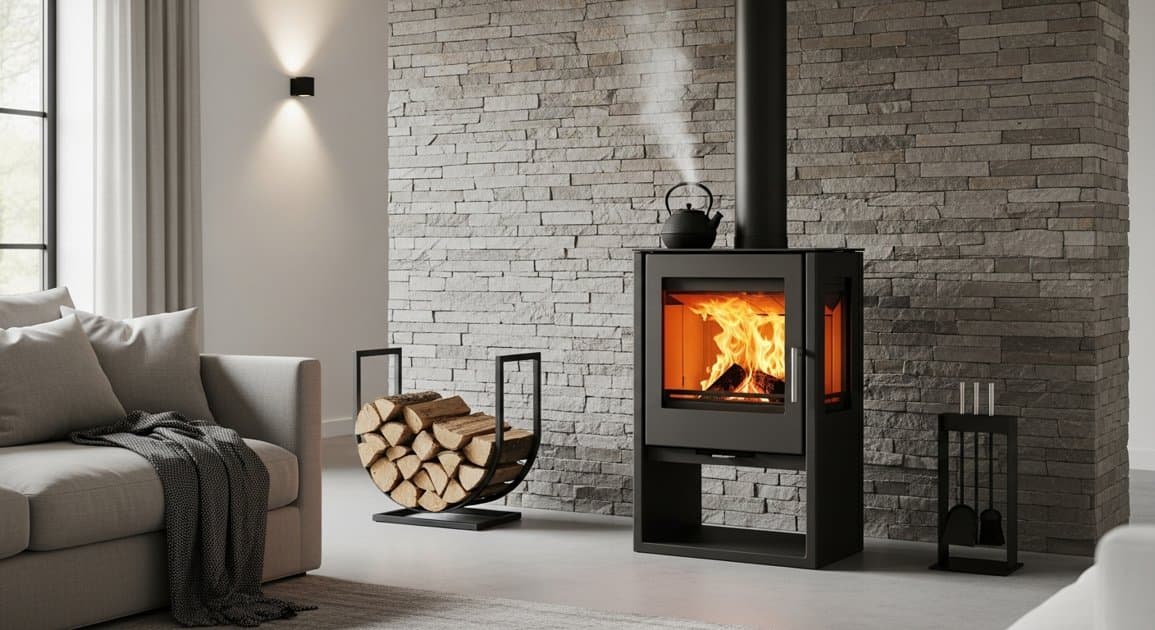
In an age where energy costs continue to be a pressing concern for homeowners across Tyne & Wear and beyond, the ability to control and maximise your home's warmth has never been more valuable. At Northern Flame, we understand that investing in a high-efficiency multi-fuel or wood-burning stove is about more than just aesthetics; it's a strategic move towards greater energy independence and sustained comfort.
This guide isn't just about lighting a fire; it's about mastering the art of the long-lasting, efficient burn. By understanding the principles and techniques involved, you can transform your stove into a highly effective heating appliance, delivering optimal heat output, minimising fuel consumption, and extending the periods of cosy warmth in your home.
Understanding Your High-Efficiency Stove: The Foundation
High-efficiency stoves are marvels of modern engineering, designed to extract maximum heat from your fuel while producing fewer emissions. Unlike traditional open fires, they feature sophisticated airflow systems (primary and secondary air vents) that allow for precise control over the combustion process. Mastering these controls is paramount to achieving that sought-after sustained warmth.
The Pillars of Efficient Combustion:
- Fuel Quality: The single most critical factor. Dry, seasoned wood or approved solid fuels are non-negotiable.
- Airflow Management: The precise balance of air supply to encourage a complete, clean burn.
- Stove Condition: A well-maintained stove and a clean flue ensure optimal draw and performance.
Prepping for Perfection: Setting the Stage for Long-Lasting Heat
Before you even strike a match, proper preparation makes all the difference.
1. Fuel Selection & Storage: Your Heat's Power Source
- Seasoned Wood is Key: Wood should be seasoned for 12-24 months and have a moisture content below 20%. Look for the "Ready to Burn" certification for peace of mind. Wet wood creates less heat, more smoke, and harmful creosote.
- Approved Solid Fuels: If you have a multi-fuel stove, only use smokeless coals or other approved manufactured solid fuels. Never burn household waste or treated timber.
- Size Matters: Cut logs to fit comfortably within your firebox, allowing air to circulate around them.
2. Stove Maintenance: A Clear Path to Efficiency
- Clean Ash Pan: A build-up of ash can restrict primary airflow, hindering combustion. Empty it regularly, but leave a thin layer (around 1 inch) to protect the grate.
- Clear Air Vents: Ensure all primary and secondary air vents are free from dust or debris.
- Annual Flue Sweep: A crucial safety and efficiency measure. Our HETAS-certified experts at Northern Flame can advise on the importance of regular flue maintenance to ensure optimal draw and prevent chimney fires.
Pro Tip: Invest in a Moisture Meter!
This inexpensive tool is your best friend for ensuring your wood is genuinely 'ready to burn'. It removes the guesswork and directly contributes to a cleaner, hotter, and more efficient fire, saving you money on fuel in the long run.
Mastering the Ignition: Starting Strong for Sustained Warmth
The way you start your fire significantly impacts its longevity and efficiency.
The Top-Down Method: A Cleaner, More Efficient Start
Forget the traditional bottom-up approach. The top-down method creates a cleaner burn, reduces smoke, and establishes a hot firebox more quickly.
- Layer 1 (Bottom): Place 2-3 medium-sized logs at the bottom of the firebox.
- Layer 2 (Middle): Add a criss-cross layer of kindling (small, dry sticks) on top of the logs.
- Layer 3 (Top): Place 1-2 natural firelighters on top of the kindling, or use scrunched-up paper if preferred.
- Ignite: Light the firelighters. Keep all primary air vents fully open and the secondary air vents slightly open to encourage strong airflow and establish the fire. Close the stove door, ensuring good draw.
Once the kindling has fully caught and the top logs are beginning to char (typically 15-20 minutes), you'll have a robust, clean-burning flame.
Achieving Sustained Warmth: The Controlled Burn Phase
This is where true mastery comes into play. The goal is to maintain a consistent, efficient burn that extracts maximum heat without over-firing or allowing the fire to smoulder.
1. Air Control: Your Stove's Thermostat
- Primary Air (Under-Grate Air): Primarily used for initial ignition and burning solid fuels. Once the fire is established with wood, gradually reduce the primary air. For wood, aim to close it almost completely after the initial phase.
- Secondary Air (Air Wash/Over-Glass Air): This is your main control for wood burning. It introduces pre-heated air into the combustion chamber, igniting unburnt gases and creating those beautiful, clean flames.
- Optimal Setting: Adjust the secondary air to achieve lively, dancing flames, often described as a "cathedral flame" effect. You want a steady, bright flame, not a roaring inferno or lazy, smoky embers.
- Avoiding Slumbering: Never close both primary and secondary air completely. This starves the fire of oxygen, leading to incomplete combustion, excessive smoke, tar, and creosote build-up in your flue – a significant safety hazard.
2. Strategic Fuel Loading: Feeding the Flame
- When to Add: Wait until the previous load of fuel has reduced to a bed of glowing embers. Adding new logs onto a roaring fire can smother it and produce more smoke.
- How Much: Typically, 1-3 logs at a time, depending on your stove's size. Avoid over-filling, which restricts airflow and can lead to inefficient burning and excessive heat build-up.
- Pre-Heating (Optional but Recommended): If your stove has a top plate, place new logs there for 5-10 minutes before adding them to the firebox. This helps dry them out and gets them ready to ignite quickly, reducing smoke.
3. Monitoring & Adjustment: Fine-Tuning Your Warmth
- Flame Colour: Aim for bright, golden-yellow flames. Orange or red flames with lots of smoke suggest incomplete combustion.
- Glass Cleanliness: A clean stove glass indicates a good, hot, and efficient burn. If your glass is blackening quickly, it's a sign of a poor burn (too little air, wet fuel, or too low a temperature).
- Stove Thermometer: While not essential, a magnetic stove thermometer can help you stay within the optimal operating temperature range (typically 110°C - 230°C on the flue pipe).
The Northern Flame Difference: Your Partner in Energy Independence
At Northern Flame, we're not just selling stoves; we're empowering you to take control of your home's heating. Our commitment to quality, efficiency, and exceptional service ensures you get the most out of your investment.
- Expert Installation, Every Time: Our HETAS and Gas Safe certified engineers ensure your stove is installed safely, efficiently, and to the highest standards, usually within 1 day for 99% of our fits. This seamless service is crucial for optimal performance from day one.
- Personalised Advice with Free Technical Surveys: Not sure which stove is right for you or how to get the best from it? Our free technical surveys offer tailored advice, ensuring your chosen stove perfectly matches your home and lifestyle.
- Local & Trusted: As a family-run business based in South Shields, we pride ourselves on serving our local community across Newcastle, Sunderland, Durham, and all surrounding areas. Visit our showroom to experience the warmth and quality first-hand.
Key Takeaway: Patience is a Virtue
Mastering your stove takes practice. Pay attention to how your stove reacts to adjustments, and you'll soon develop an intuitive understanding of how to achieve that perfect, long-lasting, and efficient burn. It's an investment in your comfort and your energy independence!
Start Your Project with Northern Flame
Visit our South Shields showroom to see our fires in action, or book a free technical survey with our expert team.
Get in Touch Today