
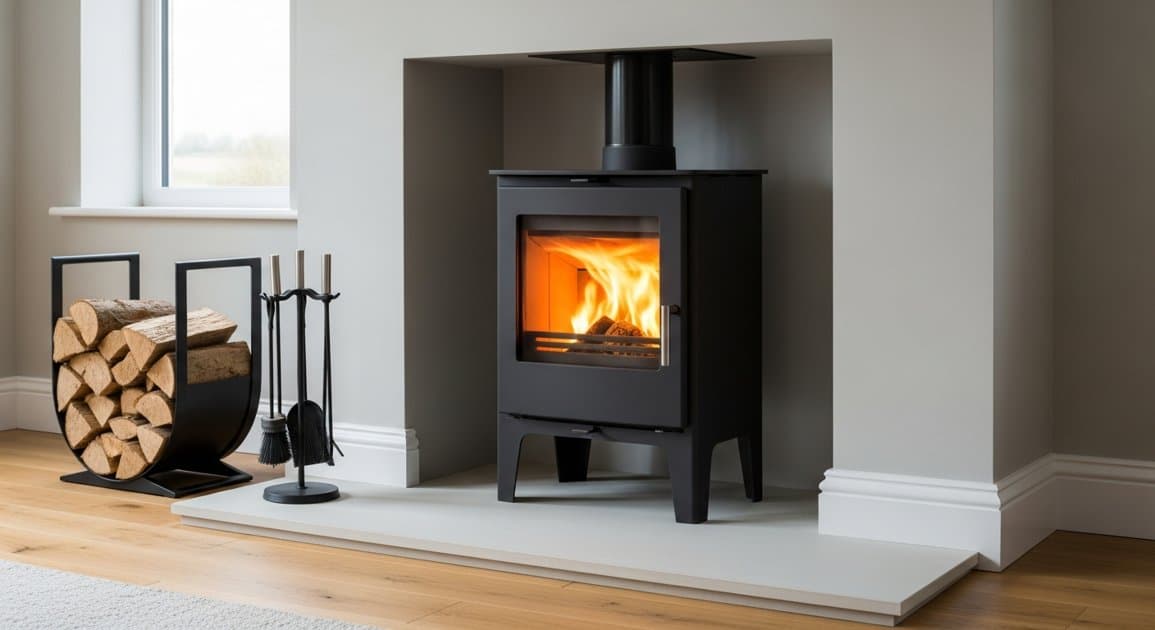
In the heart of every home warmed by a wood-burning or multi-fuel stove lies a silent hero, often overlooked: the ash bed. While it might seem like a mere byproduct of combustion, effective ash management is the true foundation of your stove's peak performance, its longevity, and your journey towards truly carbon-neutral warmth. At Northern Flame, your local, family-run stove experts in South Shields, we believe in empowering you with the knowledge to get the most out out of your heating investment. Let's delve into mastering ash management.
Why Ash Management is Crucial for Your Stove's Health & Home's Warmth
Think of ash management not as a chore, but as a critical part of your stove's operation. Neglecting it can lead to a host of problems that diminish your stove's efficiency and lifespan.
Unlocking Peak Efficiency: More Heat, Less Fuel
An optimal ash bed ensures proper airflow – the lifeblood of efficient combustion.
- For Wood-Burning Stoves: A thin layer of fine ash acts as insulation, protecting the grate and radiating heat back into the firebox, promoting a hotter, cleaner burn. Too much ash, however, restricts primary air, leading to a smouldering, inefficient fire that produces less heat and more smoke.
- For Multi-Fuel Stoves: These stoves are designed for different fuels, like smokeless coal, which requires primary air from beneath the fuel bed. A build-up of dense ash will choke this airflow, resulting in a poor burn, wasted fuel, and reduced heat output.
Mastering this balance means you'll achieve greater control over your fire, experience more consistent warmth, and ultimately enjoy long-term savings on your fuel bills.
Extending Your Stove's Lifespan: Protecting Your Investment
Ash isn't just a powdery residue; it can be corrosive. Excessive ash build-up, especially from coal, can trap moisture and chemicals against your stove's components, leading to premature wear and tear.
- Grate Protection: A thick layer of ash insulates the grate from the intense heat of the fire above. While this might sound good, it can actually cause the grate to overheat unevenly and warp or crack. For wood, a thin bed is fine, but for multi-fuel, a clean grate is paramount to ensure durability.
- Firebrick Integrity: While firebricks are designed to withstand high temperatures, constant exposure to corrosive ash can degrade them over time. Proper ash removal helps maintain their condition.
Achieving Carbon Neutral Warmth: A Cleaner Burn
When your stove operates efficiently, it burns fuel more completely. For wood, this means less particulate matter and fewer harmful emissions released into the atmosphere, contributing to cleaner air and a reduced carbon footprint. For all fuels, an efficient burn means you're extracting the maximum energy from your fuel, reducing waste, and making your heating choice a truly sustainable one. It's about taking control of your energy independence.
Understanding Your Fuel's Ash Profile & Management Needs
Different fuels leave different types of ash, requiring varied approaches to management.
Wood-Burning Stoves: The Thin Ash Bed Philosophy
- Ash Type: Wood produces a fine, fluffy, greyish-white ash.
- Strategy: For optimal wood burning, it's generally recommended to leave a thin layer (around 1-2 cm) of ash on the base of the firebox. This insulating layer helps to maintain a hot embers bed, encouraging secondary combustion and higher efficiency.
- When to Empty: Empty your ash pan when the ash bed starts to build up excessively, restricting airflow, or when the ash pan is nearly full.
Multi-Fuel Stoves: Thorough Removal is Key
- Ash Type: Smokeless coal and other solid mineral fuels produce a denser, coarser, and often heavier clinker-like ash.
- Strategy: Multi-fuel stoves typically have a grate and an ash pan specifically designed for airflow from beneath the fuel. It's crucial to remove this dense ash thoroughly before each new fire or every 12-24 hours when in continuous use. Any ash build-up on the grate will starve the fire of primary air and can cause the grate to overheat and warp.
- When to Empty: Aim to clear the grate of ash daily, or even twice daily if burning coal heavily. The ash pan should be emptied regularly to prevent ash from backing up and blocking the grate.
The Art of Ash Removal: A Step-by-Step Guide
Follow these practical steps to ensure proper ash management, keeping your stove performing at its best.
- Safety First: Always ensure the stove and ash are completely cold before attempting removal. Use heat-resistant gloves if unsure. Work in a well-ventilated area.
- Gather Your Tools: You'll need an ash shovel, a stiff brush (often supplied with your stove), a metal ash bucket with a lid, and potentially a small vacuum designed for ash (ensure it's completely cold ash only!).
- For Wood-Burning Stoves:
- Gently push existing ash to one side, collecting the excess into your ash shovel.
- Leave a thin layer of fine ash (approx. 1-2cm) on the base of the firebox.
- Empty the ash pan into your metal bucket.
- For Multi-Fuel Stoves:
- Use your poker or riddling tool to riddle the grate, allowing all fine ash to fall into the ash pan.
- Carefully remove the ash pan and empty its contents into your metal bucket.
- Use the ash shovel and brush to ensure the grate is as clear as possible from any remaining ash or clinker.
- Disposal: Always place hot or even warm ash into a metal container with a tight-fitting lid, and store it away from flammable materials outside your home for at least 48 hours to ensure it's completely cold before final disposal.
Northern Flame Pro Tip: The "Ash Bed" Test
For wood burners, aim for an ash bed that allows a good, bright flame when you start a new fire, but doesn't choke the primary air. If your fire struggles to get going or burns sluggishly, it's likely time to remove some ash. For multi-fuel stoves, always aim for a clear grate – if you see significant ash on the grate, riddle and empty! Regular, small removals are far better than infrequent, large clear-outs.
Beyond the Bin: Eco-Friendly Ash Disposal
Even your ash can contribute to a greener home, depending on your fuel type.
- Wood Ash: If you're burning only clean, untreated wood, your ash can be a valuable garden additive. It's rich in potassium, calcium, and magnesium, and can help to sweeten acidic soil. Apply sparingly and avoid direct contact with young plants. Always ensure it's completely cold before use.
- Multi-Fuel Ash: Ash from smokeless coal and other mineral fuels should generally not be used in the garden due to potential heavy metal content. This type of ash should be disposed of with your regular household waste, once completely cold and safely bagged.
Your Warmth, Our Expertise: The Northern Flame Difference
Understanding ash management is just one piece of the puzzle in achieving truly efficient, independent warmth. At Northern Flame, we're dedicated to helping homeowners across Newcastle, Sunderland, Durham, and all surrounding areas in Tyne & Wear achieve optimal performance from their stoves. From the moment you step into our South Shields showroom to our 1-day expert installation for 99% of fits, you're in trusted hands. Our HETAS & Gas Safe Certified engineers provide free technical surveys, ensuring your setup is perfect for maximum efficiency and longevity.
By choosing Northern Flame, you're not just getting a stove; you're gaining a partner committed to your home's warmth, comfort, and long-term energy savings.
Start Your Project with Northern Flame
Visit our South Shields showroom to see our fires in action, or book a free technical survey with our expert team.
Get in Touch Today