
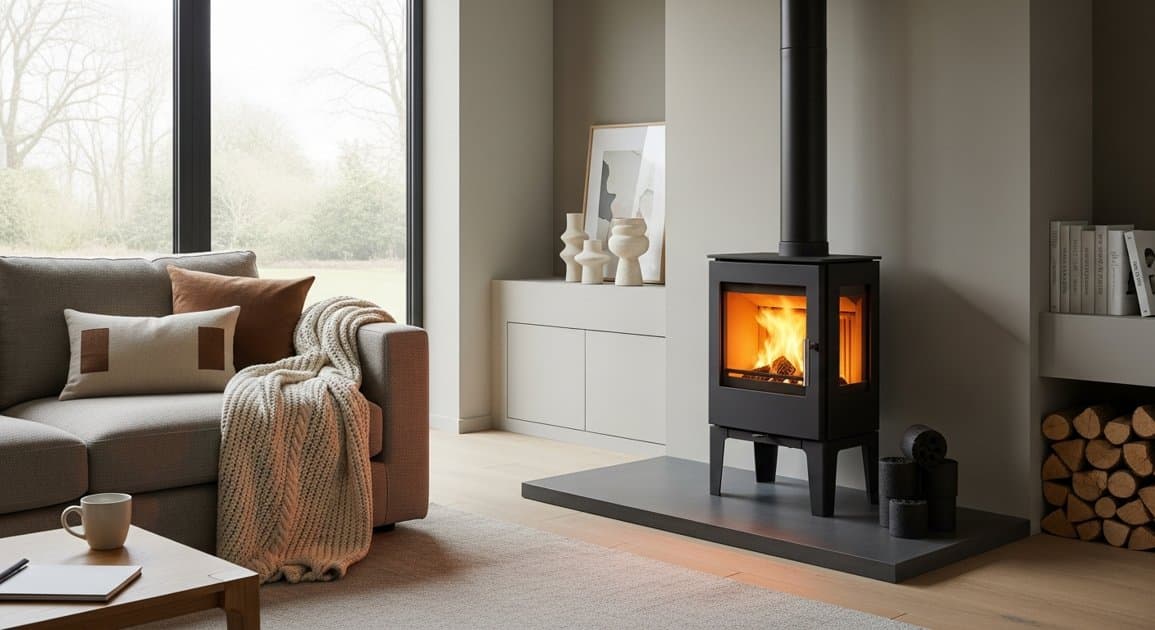
As the vibrant colours of autumn begin to paint the North East landscape, a familiar chill whispers on the breeze. For homeowners with a wood-burning or multi-fuel stove, this isn't just a sign of colder months ahead; it's a prompt for proactive preparation. At Northern Flame, we believe in empowering you to embrace winter with confidence, ensuring your home remains a haven of warmth and comfort. Our 'Pre-Season Playbook' is designed to guide you through essential steps, transforming your stove from a simple heat source into a cornerstone of efficient warmth and true energy independence.
This comprehensive guide will help you prepare both your cherished stove and its surrounding environment, ensuring maximum efficiency, significant long-term savings, and reliable warmth throughout the chilliest of seasons. Let's get started!
Your Stove's Pre-Season Check-Up: Ensuring Peak Performance
Your stove is a hard-working appliance, and like any valuable asset, it thrives on regular care. A little pre-season attention can prevent issues, enhance efficiency, and extend its lifespan.
Professional Servicing: A Foundation of Efficiency
- Annual Sweep & Service: The absolute cornerstone of stove maintenance. A clean flue is crucial for safety and efficiency, preventing dangerous creosote build-up and ensuring optimal draw. We strongly recommend having your chimney swept annually by a qualified professional.
- HETAS Expertise: Our HETAS certified engineers at Northern Flame don't just sweep; they meticulously inspect your stove, checking for worn parts, air leaks, and ensuring everything is in perfect working order. This not only guarantees safety but also fine-tunes your stove for maximum heat output and fuel efficiency.
DIY Visual Inspections: What You Can Check
Between professional services, you can perform quick visual checks to keep an eye on your stove's condition:
- Door Seals (Rope Seals): Check for wear and tear. A good seal is vital to prevent uncontrolled air intake, which can lead to inefficient burning and excessive fuel consumption. If they're flattened or damaged, they'll need replacing.
- Glass: While a clean burn minimises soot, give your glass a wipe down. Check for any cracks or chips.
- Grate and Firebricks: Inspect the grate for warping or cracks. Ensure firebricks (linings inside the firebox) are intact, as they protect the stove body and reflect heat back into the fire. Small cracks are normal, but large, crumbling sections need attention.
- Ash Pan & Air Vents: Ensure these are clean and free from obstruction to allow proper airflow.
Pro Tip: Don't Delay Your Sweep!
Book your annual chimney sweep and stove service well before the peak winter season hits. Local demand for HETAS-certified professionals like ours in Newcastle, Sunderland, Durham, and all surrounding areas picks up significantly as the cold sets in. Early booking ensures you're ready when you need it most!
Optimising Your Fuel Storage: Ready for Winter
The quality of your fuel directly impacts your stove's performance and efficiency:
- Dry, Seasoned Wood: For wood burners, only use wood with a moisture content of 20% or less. Wet wood burns inefficiently, produces less heat, and creates more tar and smoke, which is bad for your flue and the environment. Look for wood with the 'Ready to Burn' certification.
- Proper Storage: Store wood in a dry, sheltered, well-ventilated space, ideally off the ground. A log store allows air to circulate, preventing moisture re-absorption.
- Approved Multi-Fuel: If you have a multi-fuel stove, ensure you're using approved smokeless fuels.
Empowering Your Home: Beyond the Stove Itself
Your stove's efficiency isn't just about the appliance; it's about how well your entire home works in harmony with it. These steps enhance overall warmth and reduce heat loss.
Insulation & Draught Proofing: Keeping the Warmth In
- Seal the Gaps: Even small draughts around windows, doors, and skirting boards can significantly impact heat retention. Use self-adhesive strips, door snakes, or sealant to block unwanted cold air intrusion.
- Loft & Wall Insulation: Ensure your loft insulation is up to standard. If you have older cavity walls, consider professional insulation to dramatically reduce heat loss.
- Chimney Draughts: When your stove isn't in use, a chimney can be a significant source of heat loss. Consider a chimney balloon or damper (if not already fitted) to prevent warm air escaping and cold air entering.
Strategic Airflow & Ventilation: A Breath of Fresh Air (for Efficiency)
While draught proofing is key, your stove needs air to burn efficiently and safely:
- Adequate Ventilation: Modern, well-sealed homes often require a dedicated air vent to provide sufficient combustion air for your stove. Our free technical surveys can assess your specific needs and ensure your stove has the correct air supply.
- Avoid Over-Sealing: Don't seal up purpose-built vents. They are there for a reason, ensuring safe and efficient operation.
Zone Heating Strategy: Smart Comfort
- Focus Your Heat: A wood-burning or multi-fuel stove is fantastic for heating your primary living space. Focus on making this area as cosy as possible, perhaps using radiator thermostats or turning down the central heating in less-used rooms.
- Close Internal Doors: Keep the heat from your stove concentrated where you need it most by closing doors to other rooms.
Mastering Your Flame: Techniques for True Independence
Beyond maintenance and home preparation, your burning technique is paramount to achieving maximum efficiency and extending your fuel supply.
The Right Fuel, The Right Way: Consistency is Key
- Ready to Burn: As mentioned, always use 'Ready to Burn' certified wood. A moisture meter is a small, inexpensive investment that pays dividends in efficiency.
- Kindling and Firelighters: Use plenty of dry kindling and natural firelighters to establish a roaring initial flame quickly.
Proper Burning Techniques: Get the Most from Every Log
- Top-Down Lighting: This method involves placing larger logs at the bottom, topped with progressively smaller wood, and lighting it from the very top. It creates less smoke and heats the flue quickly for a cleaner, more efficient burn.
- Maintain a Hot Burn: Aim for a lively, bright flame rather than a smouldering one. A hot fire burns off gases efficiently, producing more heat and less harmful emissions. Avoid 'slumbering' your stove with minimal air, as this wastes fuel and creates creosote.
- Refuel Strategically: Don't overfill your stove. Add new logs once the previous ones have broken down into embers.
Understanding Your Stove's Controls: Your Command Centre
Familiarise yourself with your stove's air controls:
- Primary Air (under the grate): Used for initial ignition and burning fuel on the grate.
- Secondary Air (above the fire): Often pre-heated, this air washes down the inside of the glass (airwash system) keeping it clean and introduces air to burn off gases from the flame, boosting efficiency.
- Practice Makes Perfect: Adjust these controls to find the 'sweet spot' for your specific fuel and desired heat output, ensuring a clean, efficient burn.
By following this 'Pre-Season Playbook', you're not just getting ready for winter; you're investing in a season of unparalleled warmth, reduced energy bills, and true control over your home's heating. You're embracing energy independence, knowing that your Northern Flame stove is primed to perform at its best.
From expert installations (often completed in just 1-day for 99% of fits) to comprehensive servicing, our family-run team in South Shields is dedicated to supporting homeowners across Newcastle, Sunderland, Durham, and all surrounding areas. We're here to ensure your journey to a warmer, more efficient home is seamless.
Start Your Project with Northern Flame
Visit our South Shields showroom to see our fires in action, or book a free technical survey with our expert team.
Get in Touch Today